
Why Your Strategy Offsite Isn't Working: And What to Do Instead
Why Your Strategy Offsite Isn't Working, And What to Do Instead
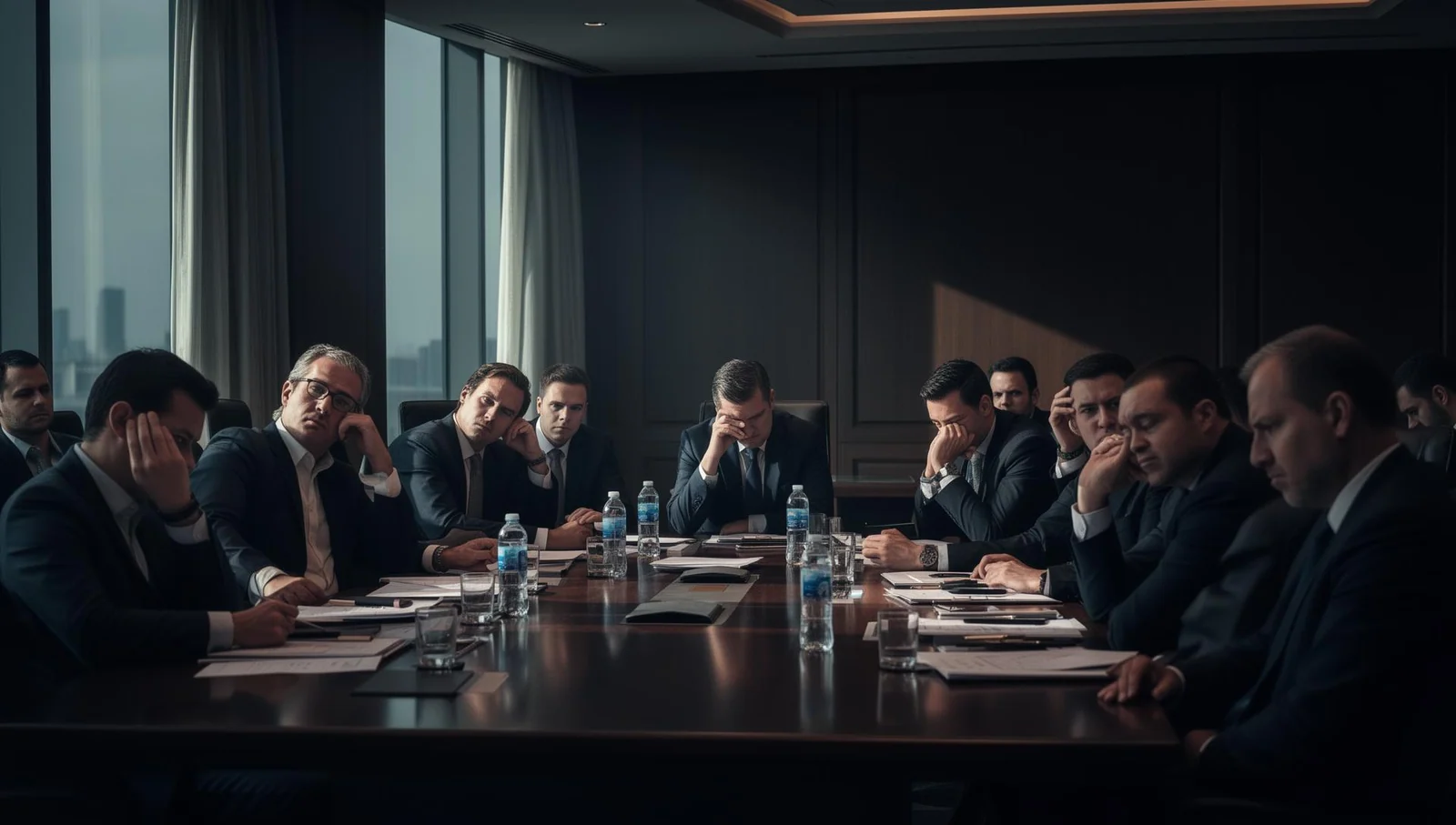
Every year, thousands of leadership teams decamp to a conference centre or resort for a "strategy offsite." The agenda is predictable: market overview, SWOT analysis, breakout sessions with sticky notes, a motivational speaker, and a nice dinner.
Two weeks later, the strategy document lands. Three months later, nobody can find it. Six months later, someone suggests it might be time for another offsite.
This is not strategy. This is corporate theatre.
Why Offsites Fail
1. They Confuse Discussion with Decision
Most offsites generate lots of conversation and very few decisions. The output is a list of "strategic priorities" that are actually just a description of everything the organisation is already doing, repackaged with aspirational language.
2. They Avoid Conflict
Real strategy requires saying no. It requires choosing one path over another, which means some leaders' pet projects get defunded. Offsite facilitators are incentivised to create consensus, not to force hard choices.
3. They Separate Thinking from Doing
The strategy is developed in isolation from the people who will execute it. By the time it filters down to operational teams, it's been diluted, reinterpreted, and disconnected from daily reality.
What Works Instead
Short, Focused Decision Sessions
Replace the two-day offsite with a series of 3-hour sessions, each focused on a single strategic decision. Come with analysis prepared. Leave with a decision made and accountability assigned.
Cross-Level Involvement
Include the people who will execute the strategy in the sessions where it's developed. They know things the C-suite doesn't, and their buy-in is non-negotiable for execution.
90-Day Sprints
Instead of an annual strategy cycle, work in 90-day sprints. Set 2-3 strategic priorities per quarter. Review outcomes. Adjust. Repeat.
This is the StratDo® approach: strategy and execution as a continuous loop, not separate activities.
The Test
After your next strategy session, ask one question: "What are we going to stop doing?"
If nobody can answer, you haven't done strategy. You've done theatre.
Peter Winnall works with executive teams to replace strategic planning theatre with decision-focused strategy execution.
Working on this in your organisation?
Book a 30-minute callWant your leaders trained in it?
See trainingDecision Lessons
One news story, one decision lesson, every fortnight. Unsubscribe any time.
Continue Reading
OKRs That Survive Contact With the Business
Most OKR rollouts fail in the second quarter. The failure is usually in how objectives were written, not in the framework itself.
6 min read
LeadershipWho Decides? Fixing Decision Rights in Mid-Cap Organisations
Slow organisations are rarely lazy. They are usually unclear about who decides. A practical method for mapping and fixing decision rights.
6 min read
LeadershipDecision-Making Under Pressure: What Special Operations Can Teach the Boardroom
The best decisions aren't made by the smartest person in the room. They're made by the person with the best decision framework. Here's how military command principles apply to corporate strategy.
12 min read